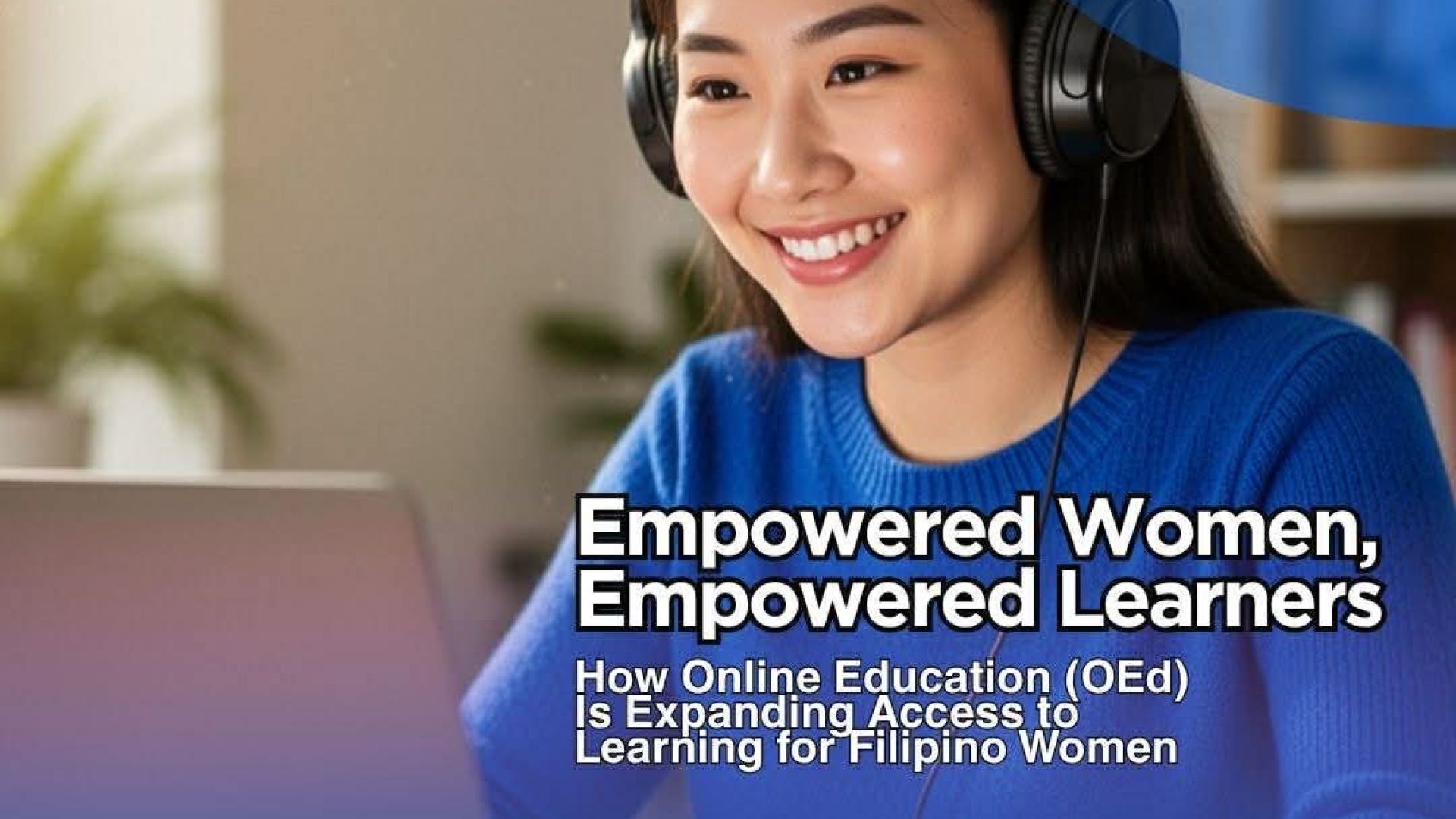



For many Filipino women, education is often postponed—not for lack of ambition, but because of competing responsibilities. Work, family, and caregiving frequently take precedence, leaving little room for traditional schooling. Yet across the country andeven beyond its borders, more women are finding ways to return to learning on theirown terms through Online Education (OEd).
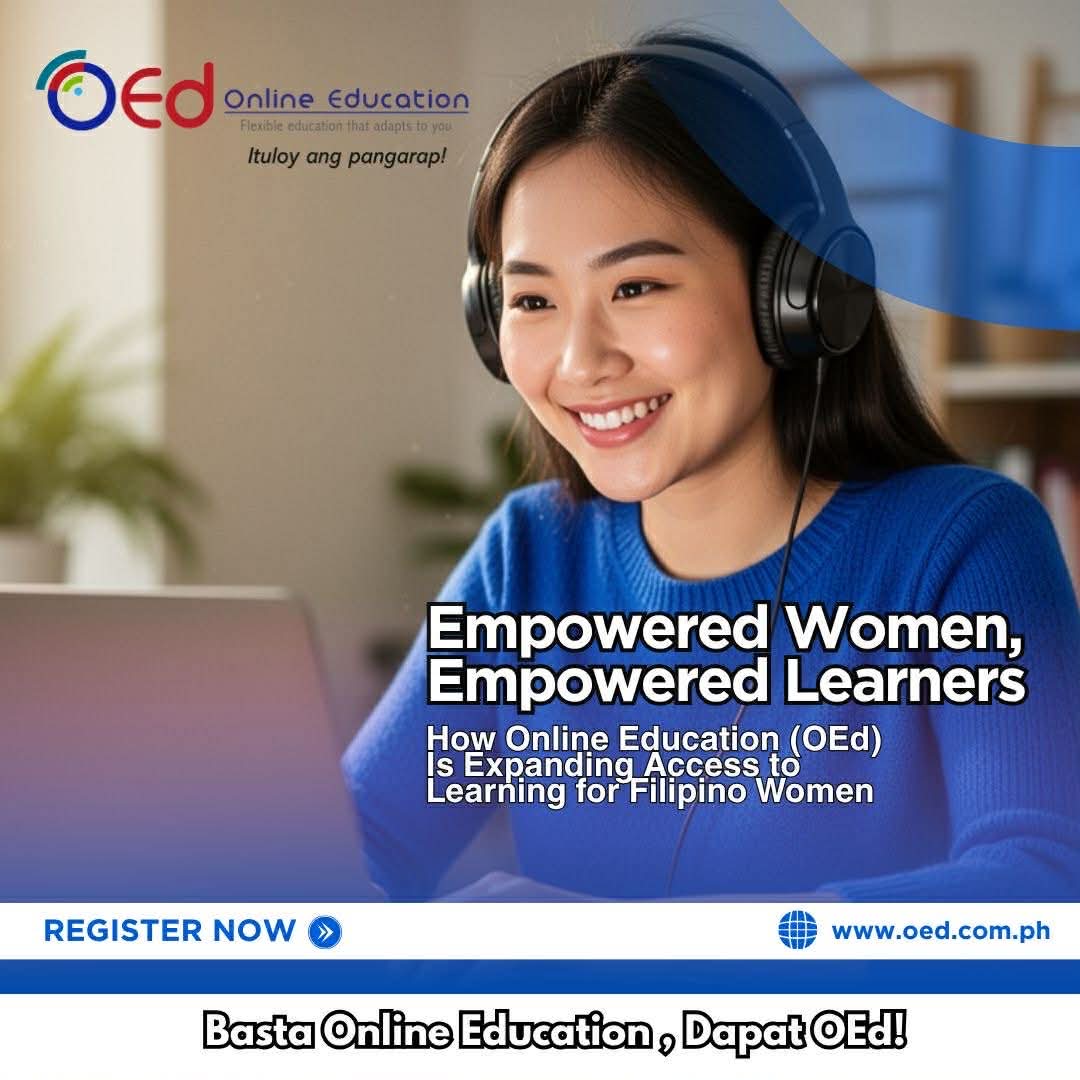
Through its fully online programs, OEd has quietly become an option for workingmothers, overseas Filipino workers (OFWs), and shift workers who want to continuetheir education without stepping away from their everyday roles.
Learning Between Shifts, Childcare, and Workdays
For working moms, the idea of going back to school can feel unrealistic. Betweenmanaging households and meeting professional demands, fixed class schedules areoften impossible to commit to. OEd’s online format changes that equation by allowinglearners to study at their own pace, at hours that fit their routines.
Some women log in after putting their children to bed. Others study during rest daysor between work shifts. For OFWs, online access means continuing their educationeven while based abroad—bridging distance through digital learning.
What these women share is a common realization: education no longer has to bepaused simply because life is full.
Working Moms, Studying Moms
Among OEd’s learners are mothers who see education as both a personal goal and an example they want to set for their children. Completing Senior High School orenrolling in short courses is not only about credentials—it’s about confidence, self-growth, and long- term stability.
Many say the flexibility of online learning has helped them manage time moreintentionally. Without the pressure of daily commuting or fixed classroom hours, they can focus on learning while remaining present for their families.
In this setup, education becomes integrated into daily life rather than competing with it.
Why Flexible Learning Matters for Women
Women remain among those most affected by interruptions in education due tocaregiving and work responsibilities. Programs that allow asynchronous learning—where lessons and requirements can be accessed anytime—help close that gap.
OEd’s offerings, including Online Senior High School and Short Courses, cater tolearners who want either to complete foundational education or develop practicalskills without committing to long-term, on-campus study. These programs areparticularly relevant for women seeking to improve employment prospects, reenterthe workforce, or simply pursue personal development.
The appeal lies not only in accessibility, but in dignity—education that respects the learner’s time and realities.
Education as Empowerment
For many women, returning to school is an act of empowerment. It signals a choice to invest in oneself, even amid busy schedules and competing priorities. OEd’s role inthis process is less about replacing traditional education and more about expandingwho gets access to it— and when.
As flexible learning becomes more widely accepted, stories of working mothers, OFWs, and shift workers completing their studies are no longer exceptions. They are becoming part of a broader shift in how education is pursued in the Philippines.
Continuing the Journey
As more women seek pathways that allow them to learn without stepping away fromwork or family life, online education continues to reshape what’s possible.
To learn more about Online Education and its flexible short-term learning options, youmay visit their website at www.oed.com.ph.