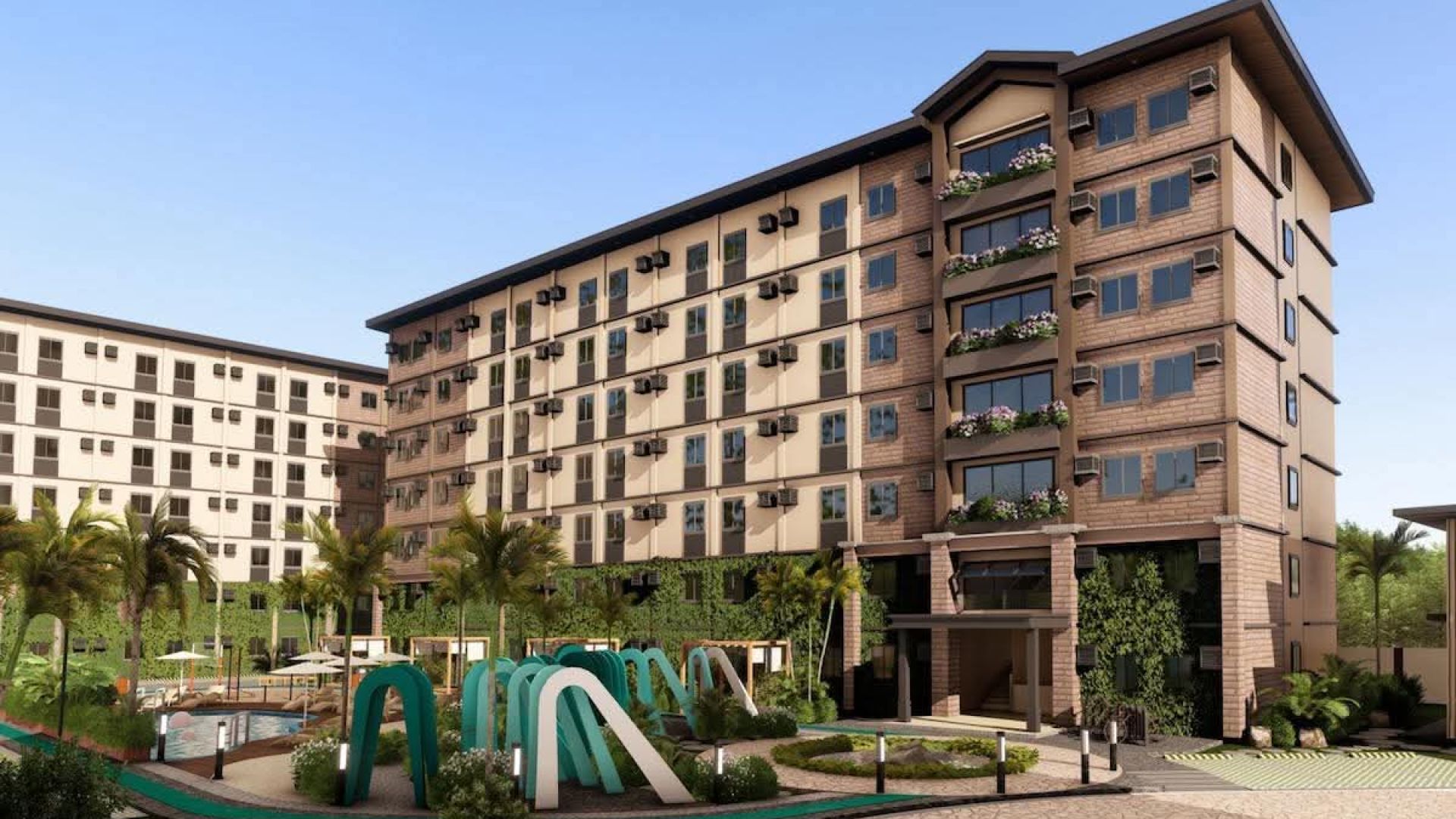




Philippines has always been a country of destinations. Across 7,641 islands, its geography has shaped how Filipinos travel and trade across regions. What was once understood mainly through leisure is now becoming a lifestyle: cities and corridors are no longer only visited but chosen for study, residence, and return throughout the year. The archipelago is evolving into a network of everyday destinations, where movement creates a measurable need for well-located developments.
Tourism remains an indicator of this momentum. In 2025, the Philippines recorded 6.48 million inbound arrivals, including foreign visitors and returning Overseas Filipinos, while generating an estimated PHP 694 billion in travelreceipts, according to the Department of Tourism (DOT). Beyond arrivals, DOT also emphasized value creation, domestic travel, enterprise connectivity, employment generation, workforce skills, and service standards in the National Tourism Development Plan 2023-2028.
From leisure locations to lifestyle destinations
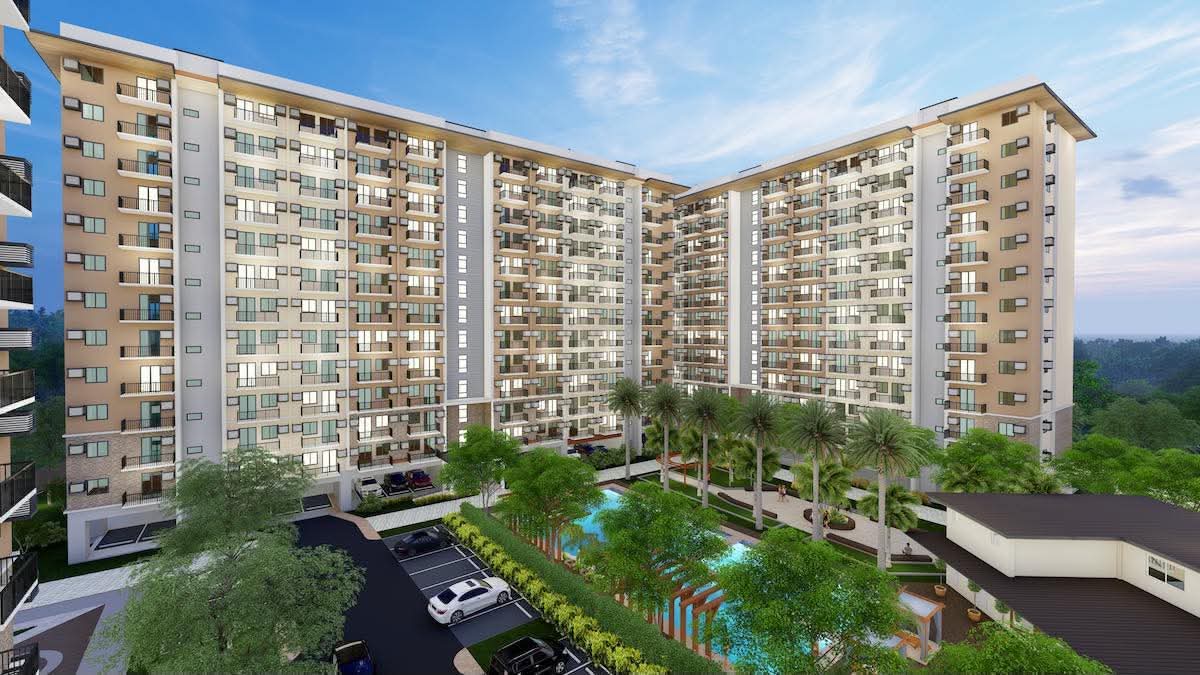 Midtown Towers in Cagayan de Oro places residents at the center of an emerging urban destination, where access to business districts, commercial hubs, and everyday conveniences supports a lifestyle shaped by connectivity, opportunity, and long-term value.
This breakthrough is expanding beyond beach holidays and seasonal travel. The Philippines is being positioned as a destination for meetings, incentives, conventions, and exhibitions (MICE) where business mobility creates structured, higher-value travel patterns. In 2025, Tourism Promotions Board initiatives brought delegates to Clark, Cebu, Bohol, and Davao to showcase the country’s readiness to host large-scale events and international gatherings.
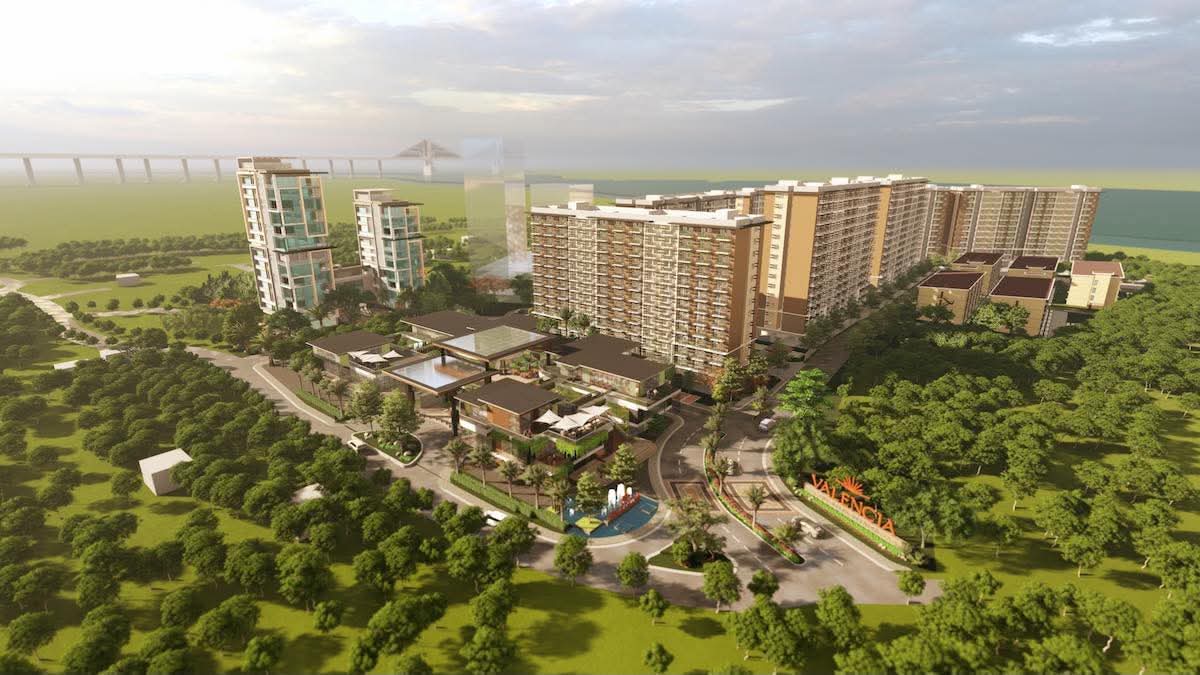 Valencia Residences in Mactan reflects the importance of well-positioned vertical villages within growth corridors, offering proximity to employment centers, transport networks, and lifestyle destinations that continue to attract residents and investors alike.
These destinations are not merely visited for the weekend: they become platforms for travel, conferences, training, trade shows, and professional networking. As more cities and corridors host business events, demand naturally grows for nearby accommodations, flexible residences, and managed communities that support brief visits and extended stays.
Educational epicenters and career corridors
Alongside tourism and MICE, education generates another form of sustained mobility. University towns attract students, faculty, reviewers, medical trainees, and early-career professionals who need safe places to live near their daily routines. The Commission on Higher Education listed 2,334 higher education institutions nationwide as of 2025, underscoring the scale of the national academic network and the housing requirements around campuses and learning districts.
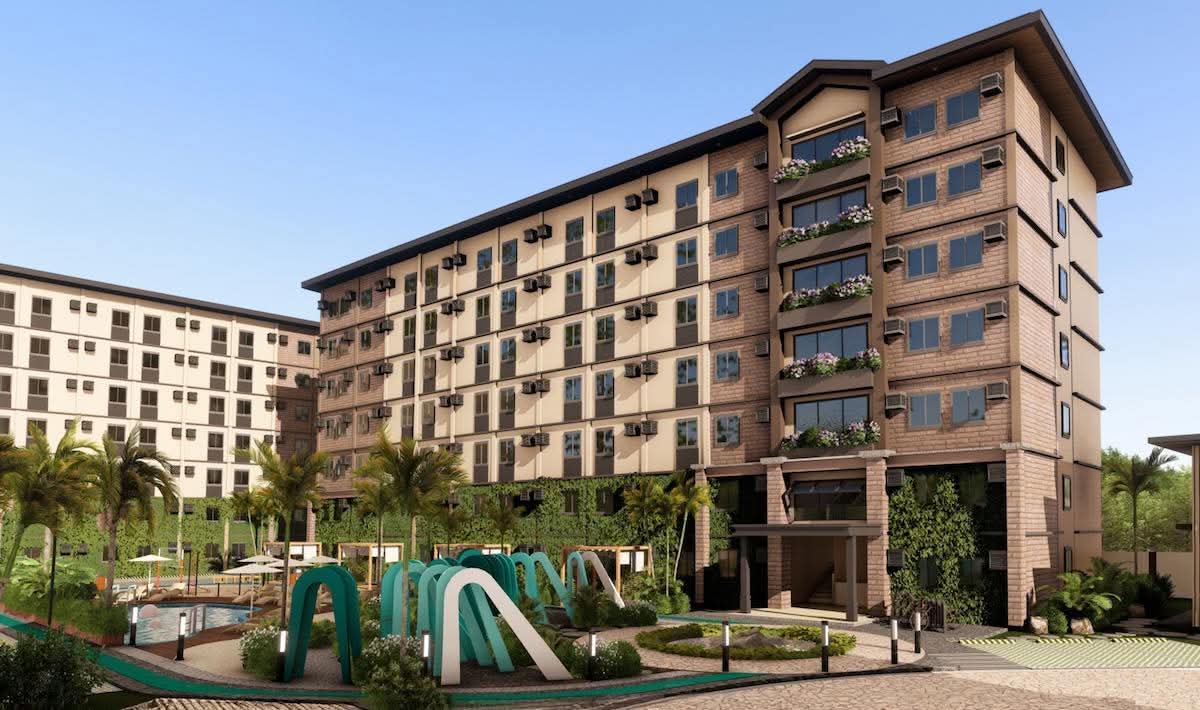 Situated near educational institutions and thriving city centers in Bay, Laguna, The Upstate responds to the growing demand for residences that support students, young professionals, and families seeking a practical address close to their daily pursuits.
The same pattern can be seen around industrial parks, IT-BPM hubs, logistics corridors, and economic zones. PEZA reported that its 2025 investment approvals reached PHP 261 billion across 314 new and expansion projects, covering manufacturing, utilities, facilities, and industrial developments. These initiatives were assessed to generate nearly 79,000 jobs, underscoring that employment centers outside traditional cores can create demand for housing near workplaces.
For students starting new chapters and professionals pursuing first careers, location becomes a priority. A residence near offices, schools, transport hubs, and commercial centers can improve daily efficiency, reduce commute concerns, support productivity, and provide a stable setting for those in fast-growing cities.
The rise of residential demand
The Philippines is not only a tourism market; it is a mobility market. Visitors arrive for vacation and conferences, students relocate for school, and professionals move to employment centers. Families seek regional strong holds , while OFWs look for properties to serve personal and investment pursuits.
 As business mobility and career opportunities expand across the country, more professionals are choosing residences that place them closer to workplaces, commercial districts, and the conveniences that support productivity and work-life balance.
Demand is not limited to one type of resident: it comes from short-term stays, long-term leases, end-use ownership, and real estate investment. A single growth center can serve several markets at once: travelers needing temporary accommodations, students needing semester-based housing, workers requiring convenient addresses, and investors seeking developments aligned with recurring residential requirements.
This conv*rgence makes well-positioned condominiums increasingly relevant. Where movement is constant, housing demand must be flexible. Where cities continue to grow, residences must be practical. Where destinations become daily environments, communities must support comfort and continuity.
The vertical village advantage
Vista Manors responds to this changing landscape through vertical villages nationwide, positioned to bring resort living to regional markets. Its relevance lies in combining accessibility, lifestyle, livelihood, and investment potential within developments that support daily living while remaining attractive to various residential profiles.
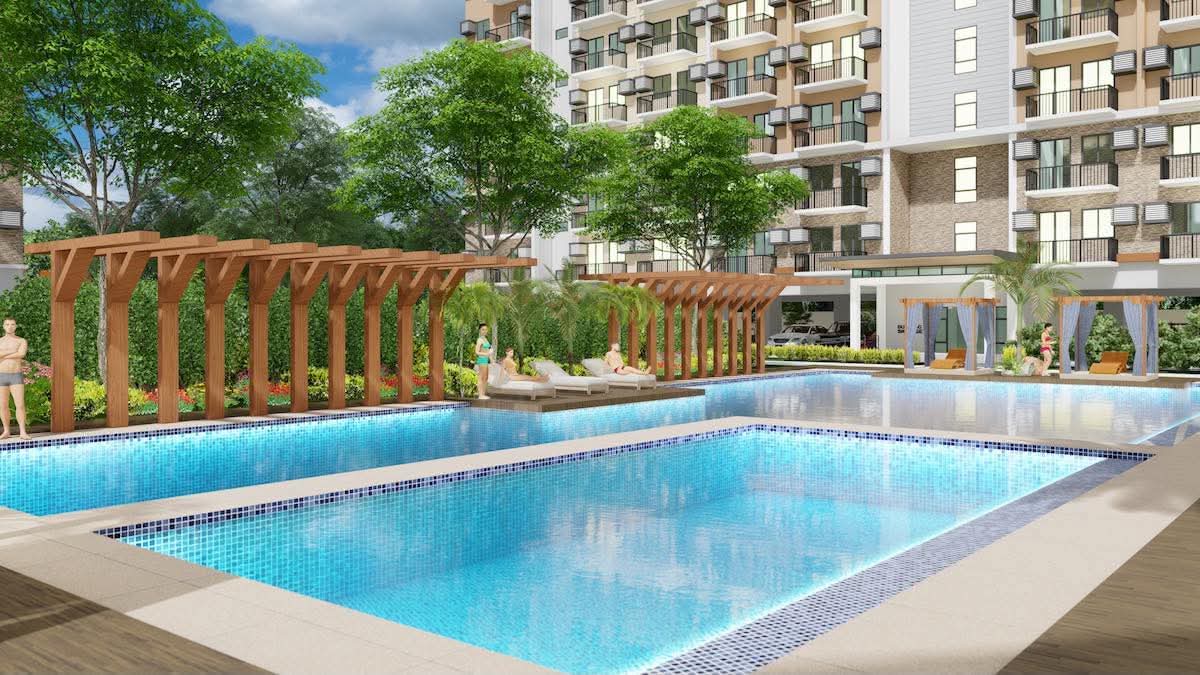 In Vista Manors vertical villages, resort-inspired amenities such as swimming pools transform everyday living into relaxing experiences, bringing the comfort and leisure of a vacation destination closer to home.
For residents, the enduring value begins with everyday experience. Vista Manors offers vertical living where amenities are treated as extensions of home. Swimming pools, fitness facilities, and social environments help residents transition from work, study, or travel into rest and recreation.
This creates a practical lifestyle proposition: the convenience of condominiums, backed by the calm and character of resort destinations. It brings together the essentials of an emerging city and the ease of resort living, allowing residents to experience a setting that feels functional and flourishing.
Learn more about Vista Manors vertical villages. Visit www.vistamanors.com.ph and follow @VistaManorsOfficial.