




In a major push to align medical education with the country’s rural and primary healthcare needs, the Mapúa University School of Medicine has officially launched LAKAS (Leading Alliances for Knowledge Advancement and Social Accountability). The pioneering national initiative unites 12 medical schools from Luzon, Visayas, and Mindanao to transform how future Filipino physicians are trained.
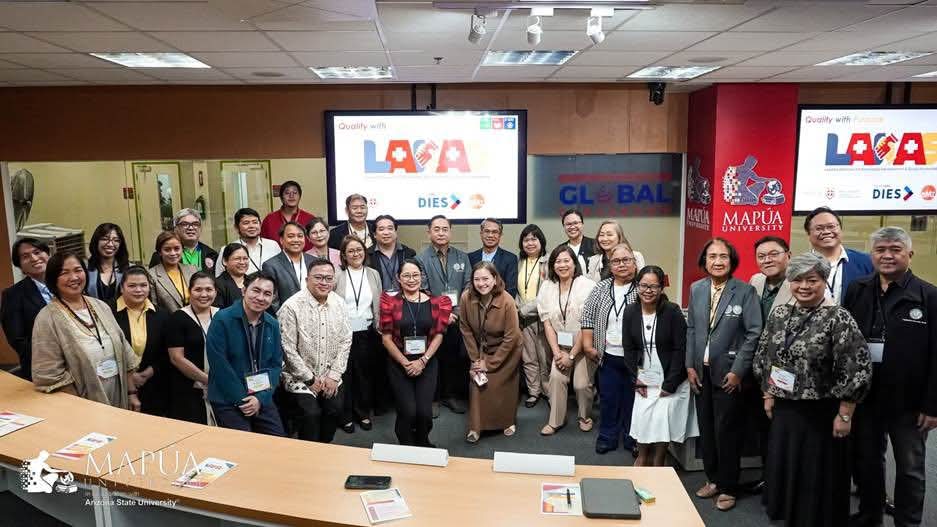 Backed by Germany’s DAAD and supported by the DOH, the national alliance champions ‘social accountability’ to align physician education with the health needs of underserved Filipino communities.
The alliance arrives at a critical juncture as the Philippines accelerates its rollout of Universal Health Care (UHC). Rather than focusing solely on traditional hospital-centric training, LAKAS empowers institutions to adopt “social accountability”—ensuring medical curriculum, research, and clinical placements directly address the actual health crises faced by their local communities.
The initiative is made possible through the support of the German Academic Exchange Service (DAAD) under its Dialogue on Innovative Higher Education Strategies (DIES) National Multiplication Training Program. The inaugural LAKAS cohort brings together 22 educational leaders, deans, and quality assurance officers representing a mix of established and fast-growing regional medical institutions, including Ateneo de Zamboanga University, Batangas State University, Bukidnon State University, Caraga State University, Cebu Normal University, Isabela State University, Mariano Marcos State University, Pamantasan ng Lungsod ng Maynila, San Beda College Alabang, San Beda University, University of Southeastern Philippines, and University of Southern Mindanao.
During their initial intensive workshop in Makati City, these leaders utilized the internationally recognized Indicators for Social Accountability Tool (ISAT 2.0) to diagnose their current programs and immediately kickstart 90-day Institutional Change Projects tailored to their respective regions.
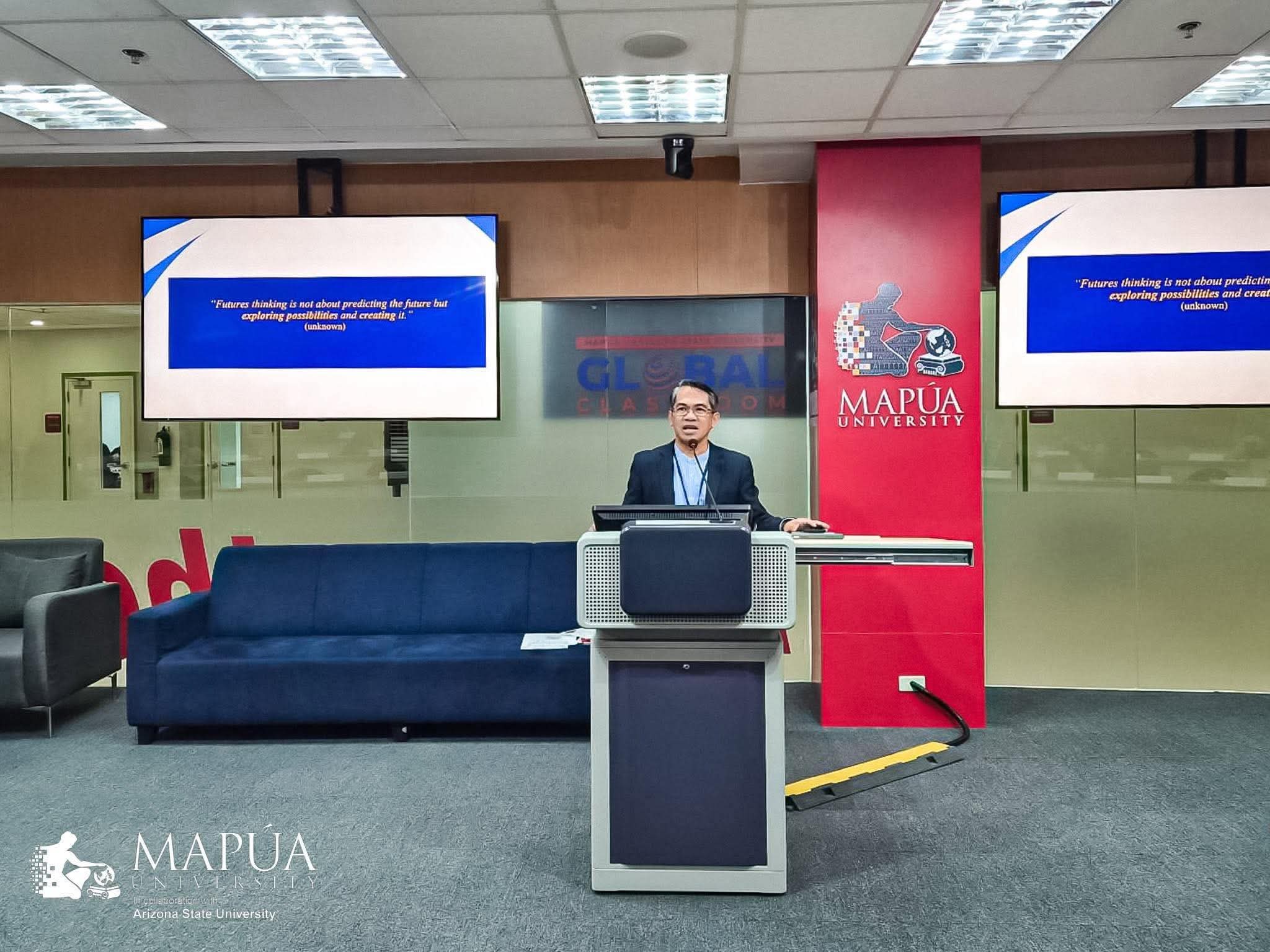
“Medical schools have a responsibility not only to educate future physicians but also to contribute meaningfully to addressing the health priorities of the communities they serve,” said Dr. Malaya P. Santos, Program Leader of LAKAS. “Through LAKAS, we are helping institutions transform social accountability from an aspiration into a measurable and sustainable dimension of educational quality.”
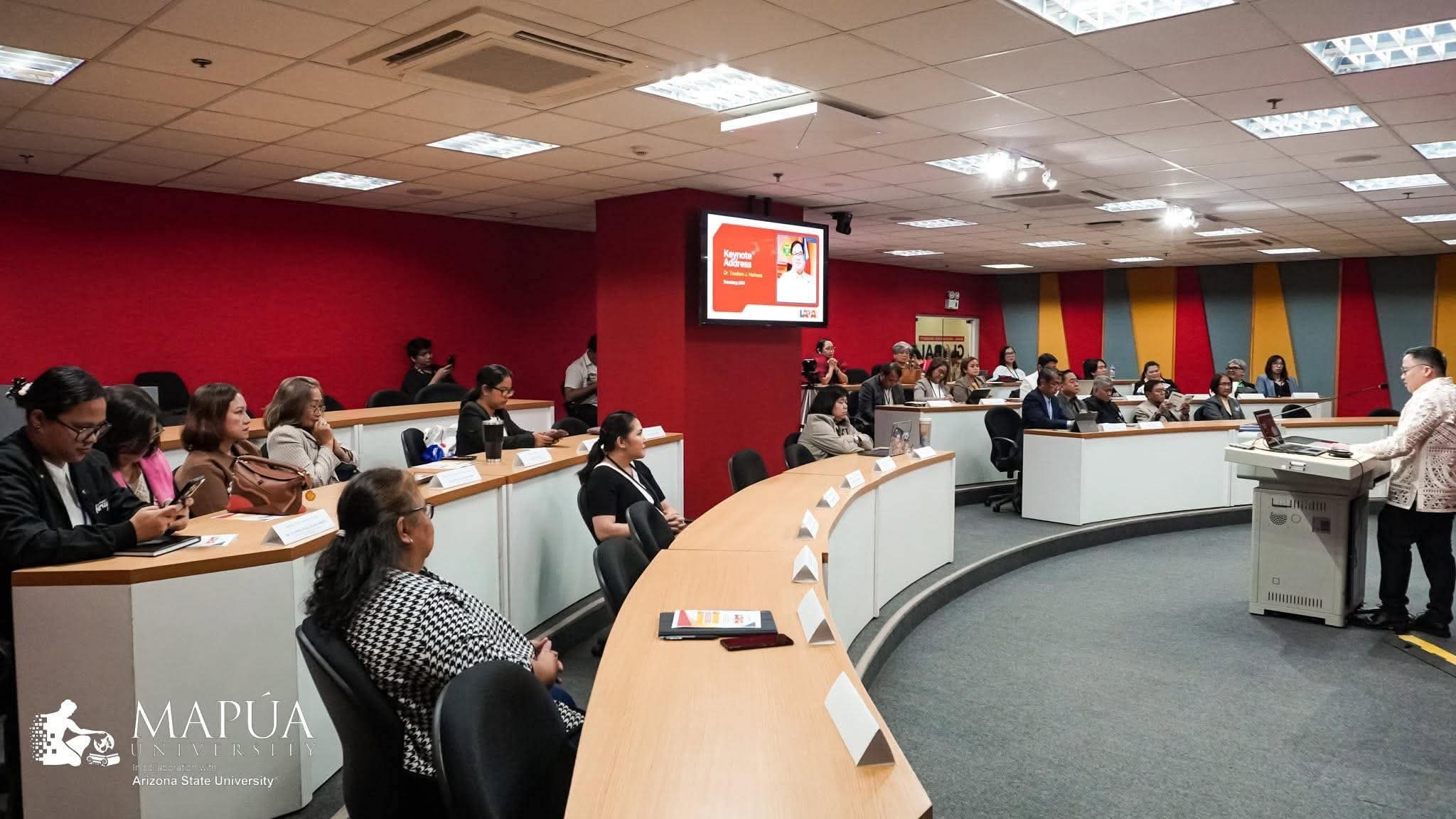
Dr. Jake Bryan Cortez, Project Manager of LAKAS, emphasized that tech and science must merge with social empathy. “The future of medical education must be shaped not only by advances in science and technology, but also by a deep understanding of the health realities faced by communities,” Cortez noted. “Social accountability is strongest when communities, health systems, and educational institutions work together toward shared goals,” added Project Coordinator Dr. Karl C. Ablola.
Underscoring the national weight of the initiative, the launch featured high-level endorsements from health and regulatory leaders, including Department of Health (DOH) Secretary Dr. Teodoro Herbosa, Professional Regulation Commission (PRC) Board of Medicine Chair Dr. Efren Laxamana, and The Network: Towards Unity for Health Vice President Aricia De Kempeneer.
The 12 participating medical schools are currently executing their localized healthcare projects through a structured peer-mentoring network. The cohort will reconvene from July 29 to 31, 2026, for their second major workshop to evaluate early outcomes, share community feedback, and establish long-term blueprints for socially accountable medical schooling in the Philippines.